
Packing machines play a major role in today’s modern manufacturing world, where speed, accuracy, and product safety are essential. In almost every industry, from food to pharmaceuticals, businesses rely on advanced technology to ensure products are packed correctly and consistently. 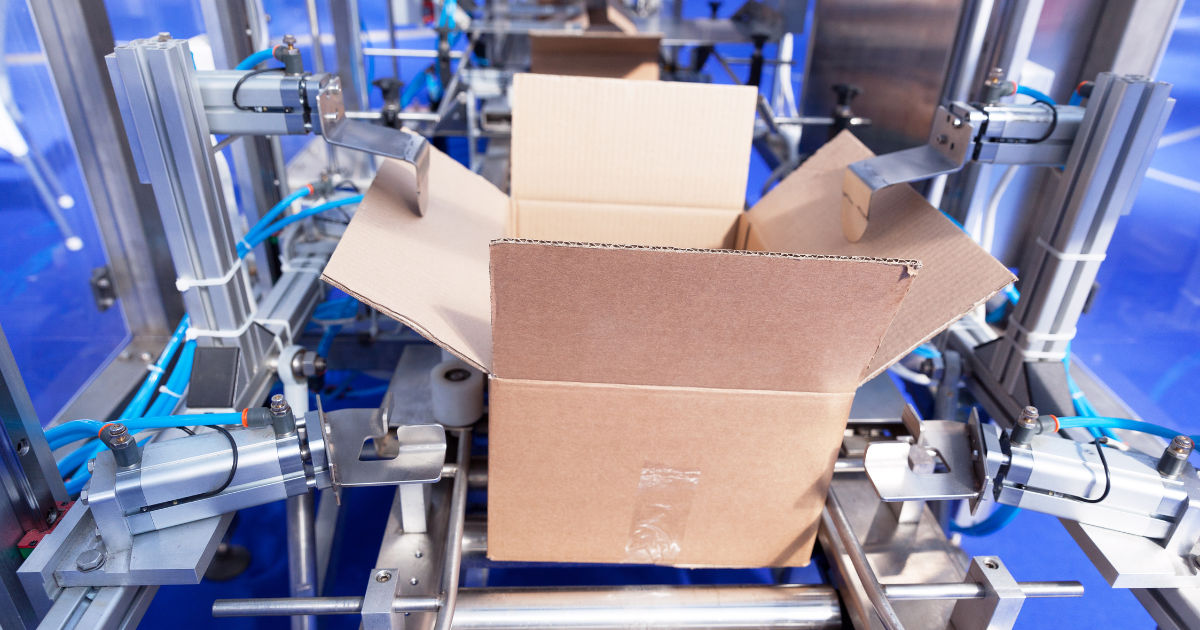
Packing machines are designed to reduce errors, improve speed, and maintain uniform quality across large production batches. Without Packing machines, industries would struggle to meet demand while maintaining the same level of packaging quality. These systems help companies deliver products that are safe, properly sealed, and visually consistent, which directly impacts customer satisfaction.
In this blog, we will explore why Packing machines improve packaging quality, how they work, and why they are essential for modern production lines. We will also look at their benefits, challenges, and future potential in different industries.
Packaging Quality
Packaging quality refers to how well a product is protected, sealed, labeled, and presented to the customer. Good packaging ensures that the product remains safe during transportation and storage. It also improves brand image and customer trust.
Packing machines contribute significantly to maintaining high packaging quality standards. They ensure that every unit is packed with the same level of precision, which is difficult to achieve manually. With Packing machines, companies can control weight, sealing strength, labeling accuracy, and overall appearance.
When packaging quality is consistent, it reduces product damage and returns. This is why many industries depend heavily on Packing machines to maintain quality control.
Role of Automation in Modern Industries
Automation has changed the way industries operate, and packaging is no exception. Manual packaging processes are slow and prone to errors, especially in large-scale production. This is where Packing machines become essential.
Packing machines allow businesses to automate repetitive tasks such as filling, sealing, wrapping, and labeling. This reduces the need for manual labor and increases production speed.
In modern industries, Packing machines are not just optional equipment; they are a necessity for maintaining competitiveness. Companies that adopt automation through Packing machines can deliver better quality products at a faster rate compared to those relying on manual methods.
How Packing Machines Improve Accuracy
Accuracy is one of the most important factors in packaging quality. Even a small mistake in weight, seal, or label placement can lead to product rejection or customer dissatisfaction.
Packing machines are designed to eliminate these issues. They use sensors, digital controls, and programmed systems to ensure each package is filled and sealed correctly. This level of precision is difficult to achieve with human labor alone.
For example, in the food industry, Packing machines ensure that each packet contains the exact weight mentioned on the label. This improves trust and reduces waste. Accuracy provided by Packing machines also helps companies comply with industry regulations.
Consistency and Standardization
Consistency is another key advantage of using Packing machines. When products are packed manually, variations are inevitable. Some packages may be overfilled, while others may be underfilled. This inconsistency affects brand reputation and product quality.
Packing machines solve this problem by standardizing the entire process. Every product goes through the same steps, ensuring uniform results. Whether it is the first or the thousandth unit, Packing machines maintain the same level of quality.
Standardization also helps businesses scale their production. With Packing machines, companies can expand operations without worrying about variations in packaging quality.
Speed and Efficiency Benefits
One of the biggest advantages of Packing machines is speed. In industries where large volumes of products are produced daily, speed is critical.
Packing machines can operate continuously for long hours without fatigue. They significantly increase production output compared to manual packaging. This allows companies to meet high demand without compromising quality.
Efficiency is also improved because Packing machines reduce delays in the production line. Tasks such as filling, sealing, and labeling are completed in a smooth and continuous process. This ensures that the entire packaging system runs efficiently.
Reducing Human Error
Human error is one of the main challenges in manual packaging systems. Mistakes in labeling, incorrect sealing, or uneven filling can lead to product loss and customer complaints.
Packing machines minimize these risks by automating the entire process. Since they follow programmed instructions, the chances of error are very low. Even if multiple shifts are running, Packing machines maintain the same level of accuracy.
This reduction in errors not only improves packaging quality but also reduces production costs associated with rework and waste.
Hygiene and Safety Improvements
In industries such as food and pharmaceuticals, hygiene is extremely important. Manual packaging increases the risk of contamination due to human contact.
Packing machines improve hygiene by reducing direct human involvement. Products are handled in controlled environments, ensuring safety and cleanliness.
Many modern Packing machines are designed with stainless steel components and sealed systems to prevent contamination. This makes them ideal for industries where safety standards are strict.
By using Packing machines, companies can ensure that products remain safe from external contamination throughout the packaging process.
Cost Savings and Resource Optimization
Although Packing machines require initial investment, they provide long-term cost savings. Businesses save money on labor, reduce material waste, and increase productivity.
Packing machines optimize resource usage by ensuring accurate filling and minimal wastage. This means companies use only the required amount of packaging material and product content.
Over time, Packing machines help businesses achieve higher profitability by reducing operational costs and improving efficiency. They also reduce the need for large labor teams, which further lowers expenses.
Technology Behind Modern Packing Machines
Modern Packing machines are equipped with advanced technologies such as sensors, programmable logic controllers (PLC), and automation software. These technologies ensure precise control over every stage of packaging.
Some Packing machines also include AI-based monitoring systems that detect errors in real time. This allows immediate correction and reduces downtime.
Touchscreen interfaces and digital controls make Packing machines easier to operate. Operators can adjust settings such as speed, weight, and sealing temperature with ease.
The integration of technology in Packing machines has made them more reliable, efficient, and user-friendly.
Applications Across Industries
Packing machines are used in a wide range of industries. In the food industry, they are used for packing snacks, beverages, and frozen foods. In pharmaceuticals, they ensure safe and hygienic packaging of medicines.
The cosmetic industry also relies on Packing machines for packaging creams, lotions, and other beauty products. Even industrial sectors use them for packaging hardware, chemicals, and spare parts.
Because of their versatility, Packing machines have become essential equipment across almost every manufacturing sector. Their ability to handle different materials and product types makes them highly valuable.
Environmental Impact and Sustainability
Sustainability is becoming increasingly important in modern manufacturing. Packing machines help reduce environmental impact by optimizing material usage and reducing waste.
They ensure precise packaging, which minimizes excess material use. Some Packing machines are also designed to work with eco-friendly packaging materials.
By reducing waste and improving efficiency, Packing machines contribute to more sustainable production practices. Companies that use them can reduce their carbon footprint while maintaining high packaging standards.
Challenges and Limitations
Despite their many advantages, Packing machines also come with certain challenges. The initial cost of installation can be high, especially for small businesses.
Another challenge is maintenance. Packing machines require regular servicing to ensure smooth operation. Technical issues can also cause downtime if not addressed quickly.
Additionally, some Packing machines may require skilled operators to manage advanced settings and software. However, with proper training and support, these challenges can be managed effectively.
Future of Packaging Technology
The future of packaging is closely linked to innovation in Packing machines. As technology continues to evolve, we can expect even more advanced features such as AI automation, smart sensors, and IoT integration.
Future Packing machines will likely be more energy-efficient, faster, and capable of handling a wider range of products. They will also become more compact and cost-effective, making them accessible to smaller businesses.
With ongoing advancements, Packing machines will continue to play a central role in improving packaging quality across all industries.
Conclusion
In conclusion, Packing machines are essential tools that significantly improve packaging quality in modern industries. They provide accuracy, consistency, speed, and safety, all of which are crucial for maintaining high standards.
Packing machines reduce human error, improve hygiene, and help companies save costs while increasing efficiency. Their role in automation has transformed the packaging industry into a more reliable and productive system.
Although there are some challenges such as cost and maintenance, the long-term benefits far outweigh them. As technology continues to advance, Packing machines will become even more efficient and widely used.
Ultimately, businesses that invest in Packing machines gain a strong advantage in quality control, customer satisfaction, and overall productivity.
