
Receiving medical care at home has become an increasingly practical option for patients who need regular treatment, recovery support, or assistance with daily activities. Many people prefer recovering in familiar surroundings rather than spending extended periods in hospitals. However, home healthcare often requires specialised equipment to maintain comfort, safety, and proper medical care. This is where Medical Equipment rental Lahore can make a meaningful difference for patients and their families.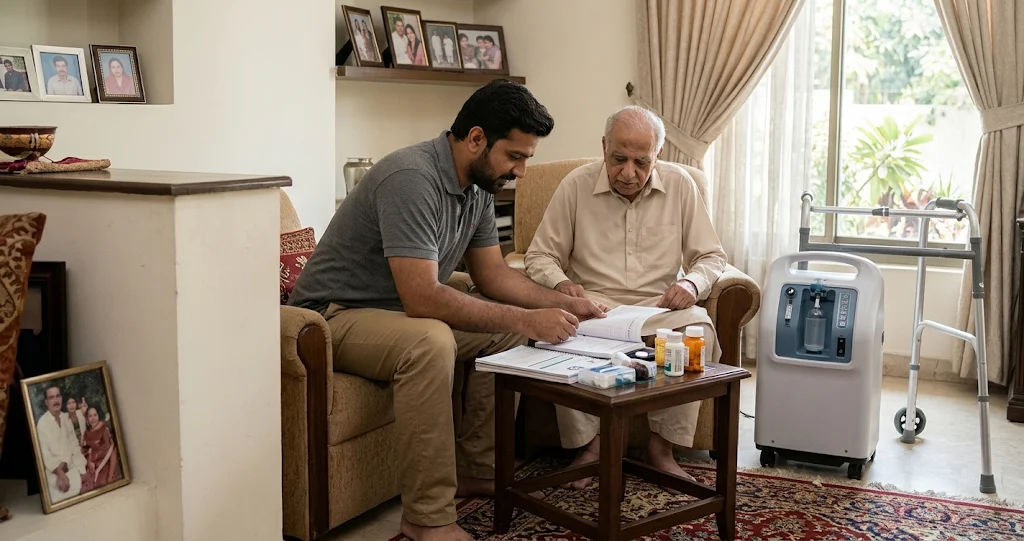
Home patients may need hospital beds, wheelchairs, oxygen concentrators, patient monitors, suction machines, or other medical devices depending on their conditions. Purchasing every required item can be expensive, particularly when equipment is needed only for a few weeks or months. Renting provides an alternative that allows families to access essential medical devices without making a large financial commitment.
Medical equipment rental services can also make home care more organised. Families can arrange suitable equipment according to medical recommendations and adjust their arrangements as the patient's condition changes. With the right equipment, professional guidance, and proper maintenance, home healthcare can become more manageable.
Understanding how rental services work, which devices are available, and how to select a reliable provider helps families make informed decisions.
Medical Equipment Rental for Home Patients
Medical equipment rental allows patients and caregivers to use healthcare devices for an agreed period by paying a rental fee. Instead of purchasing expensive equipment, families receive access to the devices they need for home treatment and recovery.
This arrangement is especially helpful for patients recovering from surgery, managing temporary mobility difficulties, or requiring medical assistance after hospital discharge.
How Medical Equipment Rental Works
The rental process usually begins with identifying the patient's medical requirements. A doctor, nurse, or healthcare professional may recommend specific equipment based on the patient's condition.
Once the requirements are clear, the family contacts a rental provider to discuss available equipment, rental charges, delivery arrangements, and usage instructions.
The provider may deliver the equipment directly to the patient's home. Depending on the service, installation and basic demonstrations may also be included.
Families can use the equipment throughout the agreed rental period. When the patient no longer requires it, the provider collects the device according to the rental agreement.
Why Home Patients Need Medical Equipment
Medical Equipment rental Lahore at home may experience difficulties with movement, breathing, sleeping, or completing everyday activities.
Medical devices help address these challenges by providing practical assistance. For example, an adjustable hospital bed makes positioning easier, while a wheelchair supports movement without requiring excessive physical effort.
Equipment can also help caregivers perform their responsibilities more safely.
However, medical equipment should always be selected according to professional advice rather than personal assumptions.
Types of Medical Equipment Available for Home Patients
Different patients have different healthcare requirements. A person recovering from an operation may need mobility support, while someone with respiratory difficulties may require breathing assistance.
Rental services can provide access to several categories of equipment.
Hospital Beds for Comfortable Recovery
Hospital beds are among the most useful devices for patients who spend extended periods resting.
Unlike ordinary beds, medical beds often feature adjustable sections that allow patients to raise their heads, support their legs, and change their sleeping positions.
Electric hospital beds allow caregivers to adjust the position using a control panel. Manual models provide similar positioning options through mechanical controls.
These beds can help:
-
Improve patient positioning and comfort.
-
Make getting into and out of bed easier.
-
Support caregivers during routine care.
-
Reduce unnecessary physical strain.
-
Provide convenient positioning during meals and rest.
Patients with limited mobility may benefit particularly from adjustable beds. However, the appropriate model depends on their physical condition and level of assistance required.
Wheelchairs for Improved Mobility
Wheelchairs help patients move around their homes when walking is difficult or unsafe.
They are useful for elderly individuals, people recovering from injuries, and patients experiencing temporary mobility limitations.
Manual wheelchairs require someone to push the chair or the patient to operate its wheels. Transport wheelchairs are generally designed for caregiver assistance, while powered models provide independent movement for suitable users.
When renting a wheelchair, families should consider:
-
Patient weight and seating requirements.
-
Available space inside the home.
-
Wheelchair dimensions and turning space.
-
Footrest and armrest adjustments.
-
Brake quality and overall stability.
Choosing the correct wheelchair can improve independence and make everyday movement more convenient.
Oxygen Concentrators for Respiratory Support
Some home patients require additional oxygen as part of their treatment plan.
An oxygen concentrator takes oxygen from surrounding air and delivers concentrated oxygen through prescribed equipment.
It is commonly used in home healthcare when a medical professional determines that oxygen therapy is necessary.
Families should understand that oxygen concentrators are not suitable for every breathing problem. The prescribed oxygen flow and treatment duration must be determined by a healthcare professional.
Caregivers should also learn how to operate the machine, maintain its filters, and recognise warning indicators.
Oxygen equipment must be kept away from smoking, flames, and other ignition sources because oxygen increases fire risk.
Patient Monitors for Health Observation
Patient monitors help healthcare professionals observe selected health measurements.
Depending on the device, monitoring may include heart rate, blood oxygen saturation, blood pressure, or other vital signs.
These devices can be useful for patients whose medical conditions require regular observation.
However, monitors do not replace medical examinations or professional interpretation. A reading that appears normal does not necessarily mean the patient is medically stable.
Caregivers should know which measurements matter, when readings should be taken, and when medical assistance is necessary.
Suction Machines for Specific Medical Needs
Suction machines remove secretions from the airway when patients cannot clear them effectively.
They may be prescribed for certain patients with neurological conditions, swallowing difficulties, or other medical problems.
These devices require proper training because incorrect suctioning can cause discomfort, tissue injury, or breathing complications.
Families should receive clear instructions from qualified healthcare professionals before using a suction machine.
How Medical Equipment Rental Lahore Supports Home Patients
Home healthcare involves more than simply placing medical devices inside a house. Patients need equipment that supports their treatment, while caregivers need arrangements that are practical and manageable.
Medical Equipment rental Lahore can support these requirements in several ways.
Reduces the Financial Burden on Families
Medical equipment can represent a significant expense, especially when patients need multiple devices.
Purchasing an electric hospital bed, wheelchair, oxygen concentrator, and other equipment may require considerable upfront investment.
Rental arrangements allow families to pay for equipment according to the agreed rental period.
This can make specialised healthcare devices more accessible to households that cannot afford to purchase everything they need.
It also prevents families from spending money on equipment that may become unnecessary after recovery.
Provides Access to Equipment When Needed
Many patients require medical equipment only temporarily.
For example, someone recovering from a major operation may need a hospital bed for several weeks. A patient with a temporary mobility problem may require a wheelchair until walking becomes easier.
Rental services help families arrange these devices without purchasing them permanently.
This flexibility is particularly useful when the patient's needs change during recovery.
Makes Home Recovery More Comfortable
Recovering in a familiar environment can provide emotional comfort.
Patients can remain close to family members and maintain familiar routines while receiving appropriate care.
Suitable medical equipment can make the home environment more practical.
An adjustable bed supports comfortable positioning, a wheelchair improves mobility, and other devices can assist with specific treatment requirements.
Although equipment alone cannot guarantee recovery, it can make the process more manageable when used correctly.
Supports Family Caregivers
Family members often take responsibility for assisting patients at home.
Without suitable equipment, even simple activities such as changing positions or moving between rooms can become physically demanding.
Hospital beds, transfer aids, and wheelchairs can reduce some of these difficulties.
Caregivers should still receive appropriate training to prevent injuries to themselves and the patient.
Offers Flexible Rental Durations
Different patients require equipment for different periods.
Some may need a wheelchair for a few days, while others may require a hospital bed for several months.
A rental provider may offer daily, weekly, or monthly arrangements, depending on its policies.
Families should confirm the minimum rental period, extension charges, and collection conditions before agreeing to a service.
Which Patients Can Benefit From Medical Equipment Rental?
Medical equipment rental can support several groups of home patients. The specific benefits depend on their conditions and professional healthcare recommendations.
Elderly Patients
Older adults may experience reduced mobility, balance difficulties, and physical weakness.
A suitable hospital bed or wheelchair can make daily activities more manageable.
Additional support devices may also help caregivers provide assistance without unnecessary strain.
Patients Recovering After Surgery
Surgical recovery sometimes requires temporary changes to the home environment.
Patients may need adjustable beds, mobility aids, or monitoring equipment while healing.
Renting these devices can provide access to necessary support without permanent purchases.
Patients With Chronic Conditions
Some people living with long-term conditions require ongoing medical assistance.
Depending on their treatment plans, they may need respiratory equipment, monitoring devices, or mobility support.
Rental services can provide access to selected devices, although long-term rental costs should be compared with purchasing options.
Patients With Temporary Injuries
Individuals recovering from fractures, accidents, or other injuries may have difficulty walking or completing ordinary activities.
Wheelchairs, walking aids, and other mobility equipment can help them manage daily routines during recovery.
A healthcare professional should recommend the most suitable device.
Patients Requiring Palliative Care
Palliative care focuses on improving comfort and quality of life for people living with serious illnesses.
Depending on individual needs, patients may benefit from adjustable beds, pressure-relieving mattresses, mobility aids, and other supportive devices.
Medical equipment can help caregivers provide more comfortable care at home.
However, equipment should form part of a broader care plan involving qualified healthcare professionals.
How to Choose the Right Medical Equipment Rental Provider in Lahore
Selecting a reliable provider is important because medical equipment directly affects patient safety and comfort.
Families should evaluate several factors before entering into a rental agreement.
Check Equipment Quality and Condition
Always ask about the condition of the equipment before accepting delivery.
Devices should be clean, functional, and properly maintained.
For electrical equipment, inspect cables, plugs, switches, and control panels.
Hospital beds should have working adjustment mechanisms, while wheelchairs should have stable frames and effective brakes.
Never accept equipment that appears damaged or unsafe.
Ask About Cleaning and Disinfection
Medical devices may come into contact with patients' skin, bodily fluids, or other potentially contaminated surfaces.
Providers should follow suitable cleaning and disinfection procedures between rentals.
Ask how equipment is prepared before delivery and whether reusable accessories are replaced or properly sterilised.
This is especially important for respiratory equipment and devices used in close contact with patients.
Understand Rental Charges
Rental prices can vary depending on the equipment type, brand, condition, and rental duration.
Some providers may charge separately for delivery, installation, deposits, accessories, or maintenance.
Ask for a complete breakdown of expenses.
It is also helpful to confirm what happens if equipment develops a fault during the rental period.
Clear pricing prevents misunderstandings later.
Confirm Delivery and Installation Services
Large medical devices may require careful transportation and installation.
Hospital beds and certain electrical machines cannot always be set up safely without assistance.
Ask whether the provider delivers equipment to your area and whether installation is included.
Families should also confirm that the equipment can fit through doorways, staircases, and available room spaces.
Check Customer Support and Maintenance
Reliable customer support is important when patients depend on rented equipment every day.
A provider should explain how customers can report technical problems and request maintenance.
Ask about response times, replacement arrangements, and emergency support availability.
This is particularly important for equipment that supports essential medical needs.
Preparing Your Home for Medical Equipment
Before receiving rented equipment, families should prepare an appropriate space.
Good preparation improves accessibility and reduces avoidable safety risks.
Choose a Suitable Location
The equipment should be placed in an area that allows patients and caregivers to move comfortably.
A hospital bed should have enough surrounding space for nursing activities, transfers, and cleaning.
Electrical devices should be positioned near suitable power outlets without creating tripping hazards.
Avoid overcrowding the room with unnecessary furniture.
Improve Accessibility
Patients using wheelchairs or walking aids need clear pathways.
Remove loose rugs, unnecessary furniture, and objects that may obstruct movement.
If possible, arrange commonly used items within easy reach.
Bathrooms and entrances may require additional accessibility adjustments depending on the patient's mobility.
Check Electrical Safety
Some medical devices require a continuous electrical supply.
Check that the power outlets are suitable and that cables are not damaged.
Avoid using unsafe extension arrangements or overloading electrical sockets.
For essential devices, discuss backup power requirements with the provider and healthcare professional.
Organise Caregiver Responsibilities
Family members should understand how to operate the equipment and provide basic assistance.
Keep instruction manuals and emergency contact information in an accessible location.
Create a simple routine for equipment cleaning, maintenance checks, and prescribed observations.
Organised caregiving can reduce confusion and make home healthcare more consistent.
Safety Guidelines for Using Rented Medical Equipment
Proper equipment use is essential for protecting patients.
Even high-quality devices can become unsafe when operated incorrectly.
Follow Professional Instructions
Always use equipment according to the instructions provided by qualified healthcare professionals.
Do not change oxygen flow settings, medication delivery settings, or other prescribed adjustments without professional guidance.
If something is unclear, request another demonstration before using the device.
Inspect Equipment Regularly
Check devices for visible damage, unusual sounds, loose connections, and other signs of malfunction.
Report problems immediately instead of attempting complicated repairs yourself.
Regular inspection helps identify potential issues before they interfere with patient care.
Maintain Hygiene
Follow the recommended cleaning procedures for every device.
Use only appropriate cleaning products because certain chemicals may damage equipment surfaces or sensitive components.
Accessories that require replacement should be changed according to professional instructions and manufacturer recommendations.
Know When to Seek Medical Help
Medical equipment cannot replace emergency medical treatment.
If a patient experiences severe breathing difficulty, chest pain, unconsciousness, or another serious emergency, contact emergency medical services immediately.
Do not waste time attempting to solve a medical emergency by adjusting equipment without professional guidance.
Common Mistakes to Avoid When Renting Medical Equipment
Families sometimes focus entirely on rental prices and overlook other important considerations.
Avoiding common mistakes can improve the rental experience.
Choosing equipment without medical advice: Not every device is appropriate for every patient. Confirm the required specifications with a healthcare professional.
Ignoring equipment dimensions: A hospital bed or wheelchair may not fit comfortably inside a small room. Measure the available space before arranging delivery.
Overlooking maintenance arrangements: Ask who is responsible for repairs, servicing, and equipment replacement.
Accepting unclear rental terms: Understand the payment schedule, deposit, rental duration, and return conditions.
Skipping operating instructions: Caregivers should receive proper demonstrations before using unfamiliar devices.
Ignoring hygiene requirements: Confirm that the provider follows suitable cleaning procedures before accepting equipment.
Is Renting Better Than Buying Medical Equipment?
The decision to rent or purchase equipment depends on the patient's medical needs, expected recovery period, and household budget.
Renting is often suitable when equipment is needed temporarily.
It reduces upfront expenses and allows families to return devices after recovery.
Buying may be more practical when a patient requires the same equipment continuously over several years.
For example, a family may find it more economical to purchase a wheelchair for permanent mobility needs than to pay monthly rental charges indefinitely.
However, purchasing also involves maintenance, storage, and repair responsibilities.
Families should compare the total rental cost with the purchase price over the expected period of use.
They should also consider whether the device may need to be upgraded as the patient's condition changes.
The most suitable option is the one that provides safe, reliable support at a reasonable overall cost.
The Role of Professional Guidance in Home Healthcare
Medical equipment is only one part of successful home healthcare.
Patients may also require nursing assistance, physiotherapy, medication management, and regular medical assessments.
Doctors help determine which devices are appropriate and how they should be used.
Nurses can assist with patient positioning, hygiene, monitoring, and other care activities within their professional responsibilities.
Physiotherapists can recommend mobility aids and exercises that support rehabilitation.
Family caregivers should communicate regularly with healthcare professionals and report changes in the patient's condition.
Combining suitable equipment with professional guidance creates a more organised approach to home treatment.
Conclusion
Medical equipment rental can provide valuable support for patients receiving healthcare at home. It allows families to access essential devices without purchasing expensive equipment that may only be needed temporarily. From adjustable hospital beds and wheelchairs to oxygen concentrators and patient monitors, different devices can address different healthcare requirements.
Medical Equipment rental Lahore offers a practical option for families seeking flexible access to medical devices during recovery, long-term care, or temporary medical difficulties. It can reduce initial expenses, simplify equipment arrangements, and make it easier for caregivers to support patients in familiar surroundings.
However, choosing the right equipment and rental provider requires careful consideration. Families should evaluate equipment quality, hygiene standards, maintenance arrangements, delivery services, rental charges, and customer support before making a decision.
It is equally important to remember that renting equipment does not replace medical supervision. Devices should be selected according to professional recommendations, and caregivers must receive appropriate instructions before operating them.
Preparing the home, maintaining equipment hygiene, checking electrical safety, and understanding emergency procedures can further improve the quality of home care.
Ultimately, successful home healthcare depends on combining appropriate medical equipment, professional guidance, and responsible caregiving. When these elements work together, patients can receive practical support while remaining close to their families. Renting medical equipment can therefore be a useful and affordable solution for households that want to make home recovery safer, more comfortable, and better organised.