
Finding the right outfit for a special occasion can be exciting, but it can also feel overwhelming when there are so many styles, fabrics, colors, and designs available. When it comes to girls formal dresses pakistan, the choices are especially diverse because Pakistani fashion combines traditional craftsmanship with modern trends. 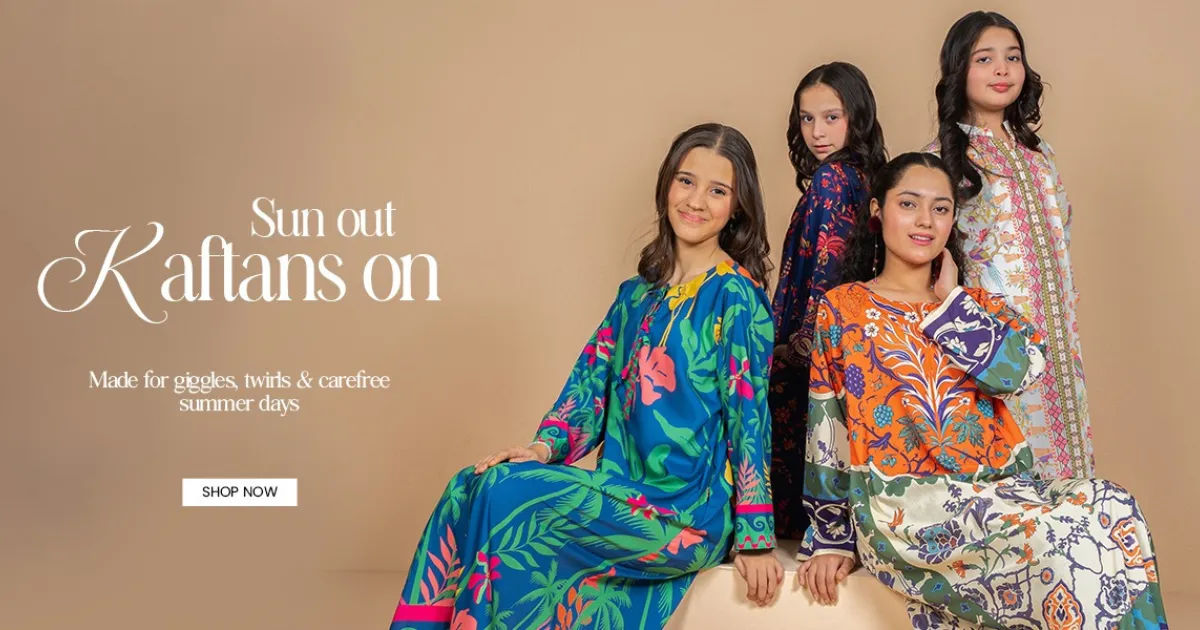
Formal dressing is not only about wearing an expensive dress. The right outfit should match the occasion, suit the wearer's age and personality, feel comfortable, and create a balanced overall appearance. A dress that looks beautiful but is difficult to wear or uncomfortable for several hours may not be the best choice.
The Pakistani fashion industry offers a wide range of formal clothing for girls and young women. Designers and local clothing brands regularly introduce collections featuring delicate embroidery, sequins, pearls, zari work, lace, organza, chiffon, silk, velvet, and other luxurious materials. This variety makes it easier to create a look that feels both traditional and personal.
Whether you are shopping for a wedding, engagement, Eid celebration, family gathering, school event, dinner, or another formal occasion, understanding the basics of formal fashion can help you make a better choice. This guide explains how to select girls formal dresses pakistan, which fabrics and styles work best, how to choose colors, and how to complete the look with suitable accessories.
What Makes a Dress Formal?
A formal dress is generally more sophisticated and detailed than everyday clothing. It may feature high-quality fabric, decorative embroidery, embellishments, structured tailoring, or an elegant silhouette. The level of formality usually depends on the event.
For example, a simple embroidered outfit may be perfect for a family dinner, while a heavily embellished lehenga may be more appropriate for a wedding reception. Similarly, an elegant long shirt with trousers can work well for a semi-formal gathering, while a traditional gharara or heavily embroidered pishwas may be better suited to a festive celebration.
In Pakistan, formal fashion often includes a mixture of traditional and contemporary elements. A classic kameez can be updated with modern cuts, while traditional embroidery can be combined with a more fashionable silhouette.
The key is to understand the event before choosing the dress. Formal does not always mean heavily decorated. Sometimes, a simple outfit with excellent tailoring, beautiful fabric, and carefully selected accessories can look more sophisticated than an overly embellished dress.
Why Pakistani Formal Dresses Are So Popular
Pakistani formal clothing is popular because of its strong connection to cultural traditions and craftsmanship. Embroidery techniques, handwork, decorative motifs, and luxurious fabrics have long been important parts of South Asian fashion.
Modern designers have built on these traditions by introducing new cuts and styling ideas. This means girls can choose from traditional clothing while still achieving a contemporary appearance.
Another advantage is variety. The market includes affordable ready-to-wear outfits, semi-formal collections, designer dresses, and custom-made clothing. This allows shoppers with different budgets to find suitable options.
The availability of online shopping has also made formal fashion easier to access. Customers can browse collections from home, compare designs, and order outfits from different cities. However, online shoppers should carefully check size charts, fabric descriptions, return policies, and customer reviews before purchasing.
Popular Styles of Girls Formal Dresses in Pakistan
There is no single style that defines Pakistani formal fashion. Different occasions call for different silhouettes and levels of decoration.
Long Shirts With Trousers
Long shirts paired with straight trousers, cigarette pants, or wide-leg pants are among the most versatile options. They offer a polished appearance without being excessively traditional.
This style works well for formal dinners, family events, Eid gatherings, and semi-formal weddings. A shirt with delicate embroidery around the neckline and sleeves can look elegant without feeling too heavy.
For a more contemporary appearance, choose a clean-cut shirt with minimal embellishment. For a traditional look, consider detailed embroidery, borders, or decorative motifs.
Anarkali Dresses
Anarkali dresses remain a popular choice for girls who prefer a traditional and graceful appearance. The fitted upper portion and flowing lower section create a flattering silhouette.
Anarkalis can be made from chiffon, silk, organza, velvet, or other fabrics. They may feature embroidery, zari, sequins, pearls, or threadwork.
A lighter Anarkali is suitable for daytime events, while a heavily embellished design can work for evening celebrations.
Lehenga Dresses
Lehengas are commonly associated with weddings and major celebrations. A traditional lehenga usually consists of a decorated skirt, blouse or choli, and dupatta.
For younger girls, comfortable cuts and lightweight fabrics are often more practical. The outfit should allow easy movement, especially if the event includes dancing or requires standing for long periods.
Lehengas are available in many styles, from traditional embroidered designs to modern minimalist versions. A simple blouse paired with a richly decorated skirt can create a balanced appearance.
Gharara and Sharara
Gharara and sharara outfits have become increasingly popular in Pakistani formal fashion. Their distinctive wide-legged bottoms create a festive and traditional appearance.
These outfits are particularly suitable for weddings, mehndi functions, Eid celebrations, and other cultural events. They can be paired with short or medium-length shirts and a decorative dupatta.
For a younger and more modern look, choose a simple shirt with statement trousers. For a more traditional appearance, select detailed embroidery and classic embellishments.
Pishwas
Pishwas dresses offer a royal and elegant appearance. They typically feature a long, flowing silhouette and can be decorated with embroidery or embellishment.
Pishwas styles are particularly attractive for weddings and formal family celebrations. The flowing shape makes them comfortable while still creating a dramatic effect.
A pishwas with subtle embroidery can be worn for less formal occasions, while heavily decorated versions are better suited to major celebrations.
Formal Gowns
Gowns are a popular choice for girls who prefer Western-inspired or fusion fashion. Pakistani formal gowns often combine Western silhouettes with South Asian embroidery and embellishment.
They are suitable for formal dinners, receptions, parties, and other evening occasions. A floor-length gown can create an elegant appearance without requiring a traditional shalwar or trouser combination.
The choice of fabric makes a significant difference. Chiffon and georgette create a soft, flowing effect, while velvet provides a richer appearance for winter events.
Peplum Outfits
Peplum tops paired with trousers or skirts offer a modern formal look. They are often decorated with embroidery around the waist and neckline.
This style works well for girls who want something fashionable but do not want to wear a traditional long shirt. Peplum outfits can also be styled with a dupatta for a more traditional appearance.
Choosing the Right Fabric
Fabric is one of the most important factors when selecting formal clothing. The right material can affect comfort, appearance, movement, and overall quality.
Chiffon
Chiffon is lightweight and elegant. It is frequently used for dupattas, flowing shirts, and formal dresses.
Because it drapes beautifully, chiffon works particularly well for evening wear. However, the fabric can be delicate, so it should be handled and maintained carefully.
Organza
Organza has a structured and slightly crisp appearance. It is commonly used for dupattas, sleeves, borders, and decorative details.
An organza dupatta can instantly make a simple outfit appear more formal. However, it may not be the most comfortable choice for very young children if the fabric is stiff or heavily decorated.
Silk
Silk creates a luxurious appearance and works well for formal events. It has a natural shine that can make even a relatively simple design look sophisticated.
Silk is particularly suitable for winter weddings and evening events. Depending on the type of silk, it may require careful cleaning and storage.
Velvet
Velvet is an excellent choice for winter formal wear. Its rich texture gives outfits a luxurious appearance.
Velvet can be used for complete dresses, shirts, jackets, or decorative panels. Darker shades such as navy, maroon, emerald, and deep plum often work beautifully with this fabric.
Net
Net is commonly used in Pakistani formal fashion for layered skirts, sleeves, dupattas, and gowns. It can be decorated with embroidery, sequins, or other embellishments.
Because net is lightweight, it can create volume without making the outfit excessively heavy.
Lawn and Cotton Blends
Although lawn is mainly associated with summer clothing, embellished lawn and cotton blends can be suitable for lighter formal occasions.
They are particularly useful for daytime gatherings where comfort is important. A well-tailored cotton outfit with tasteful embroidery can look elegant without feeling overdressed.
How to Choose the Right Color
Color has a major influence on the overall appearance of a formal dress. The best choice depends on the event, season, age, and personal preference.
Pastel shades such as blush pink, powder blue, mint green, lavender, peach, and ivory are popular for daytime events. They create a soft and graceful appearance.
For evening occasions, deeper colors such as emerald green, navy blue, burgundy, plum, black, and deep red can create a more dramatic effect.
Metallic shades, including gold and silver, are often used for weddings and festive celebrations. However, metallic embellishment should be balanced carefully. Too much shine can make an outfit appear visually heavy.
White and ivory can create a clean and elegant look, but cultural preferences may influence whether they are appropriate for specific celebrations.
When selecting colors for girls, comfort and personal preference should remain important. Children and teenagers may feel more confident in bright colors, while older girls may prefer neutral or sophisticated shades.
Choosing Dresses According to the Occasion
One of the biggest mistakes people make when shopping for formal clothes is choosing a dress without considering the event.
A wedding may require a more decorative outfit, while a formal dinner may call for something simpler. The venue and time of day should also be considered.
For daytime events, lighter colors and breathable fabrics are generally comfortable. For evening functions, richer fabrics and darker shades can create a more formal appearance.
For weddings, lehengas, ghararas, shararas, pishwas, and heavily embroidered suits are popular choices.
For Eid, elegant embroidered shirts with trousers or traditional three-piece outfits can provide a festive appearance without being excessively heavy.
For engagement parties, formal gowns, sophisticated long shirts, and embellished dresses can work well.
For family dinners, a lightly embroidered suit or contemporary fusion outfit may be more appropriate than a heavily decorated bridal-style dress.
The goal is to dress appropriately for the occasion while still expressing personal style.
Formal Dresses for Different Age Groups
Age is another important consideration when selecting formal clothing.
For younger girls, comfort and movement should be priorities. Dresses should not be excessively heavy or restrictive. Soft fabrics, simple embroidery, and comfortable silhouettes are usually better choices.
For teenagers, fashion trends become more important. They may prefer modern cuts, pastel colors, gowns, or fusion outfits that combine traditional and contemporary elements.
Young women often have more flexibility and can experiment with a wider range of formal styles. They may choose traditional Pakistani outfits, Western-inspired gowns, or a combination of both.
Regardless of age, the dress should feel appropriate and comfortable. A formal outfit should allow the wearer to enjoy the event instead of constantly adjusting the clothing.
Embroidery and Embellishment
Embroidery is one of the defining features of Pakistani formal fashion. Different techniques can create very different effects.
Thread embroidery provides a softer and more traditional appearance. Zari and zardozi work create a richer, more luxurious look.
Sequins add sparkle and are often used for evening wear. Pearls can provide a delicate and sophisticated finish.
Mirror work is commonly associated with festive and traditional clothing. It can create a lively appearance, especially for mehndi functions.
When choosing embellished girls formal dresses pakistan, consider the weight of the decoration. Excessive embellishment can make a dress uncomfortable, especially for younger girls.
The best formal outfits usually have a clear focal point. For example, a dress may feature detailed embroidery around the neckline while keeping the rest of the design relatively simple.
How to Select the Perfect Fit
Fit is just as important as fabric and design. Even the most expensive dress can look unattractive if it does not fit properly.
The shoulders should sit comfortably without pulling. Sleeves should provide enough room for movement, and the neckline should be comfortable.
For long dresses, the length should be appropriate for the wearer's height and footwear. A dress that is too long can become difficult to walk in.
For growing girls, it may be practical to choose styles that allow minor alterations. Extra fabric in the seams can sometimes make future adjustments easier.
If ordering online, always compare body measurements with the seller's size chart rather than relying only on standard sizes.
Ready-to-Wear vs Custom-Made Dresses
Both ready-to-wear and custom-made clothing have advantages.
Ready-to-wear dresses are convenient and usually available immediately. They are a good option when you need an outfit quickly.
Custom-made clothing allows greater control over fabric, color, embroidery, and fit. It can be especially useful when the wearer has unusual measurements or specific design preferences.
However, custom clothing requires more planning. Tailoring can take time, and the final result depends heavily on the skill of the tailor.
For major events, it is wise to arrange tailoring well in advance. Last-minute alterations can be stressful and may not produce the desired result.
How to Style a Formal Dress
Styling can completely change the appearance of an outfit.
A simple dress can become more formal with the right dupatta, jewelry, footwear, and hairstyle. At the same time, an already heavily decorated dress may need minimal accessories.
For traditional outfits, jhumkas, chandbalis, bangles, or delicate necklaces can complement the look.
For gowns, simpler jewelry may be more appropriate. Statement earrings can sometimes be enough to complete the outfit.
Footwear should match the dress while remaining comfortable. Formal events often involve standing and walking, so comfort should not be ignored.
A well-styled outfit should look coordinated rather than overloaded. The dress should remain the main focus.
Choosing the Right Dupatta
The dupatta is an important part of Pakistani formal fashion. It can add elegance and create visual balance.
A heavily embroidered dress may work best with a lighter dupatta, while a simpler outfit can be enhanced by a decorative dupatta.
Organza dupattas are popular for formal wear because they provide structure. Chiffon dupattas create a softer and more flowing appearance.
The way the dupatta is draped also affects the overall look. It can be worn over one shoulder, around both shoulders, or in a more traditional style.
For younger girls, avoid overly heavy dupattas that may be difficult to manage throughout an event.
Accessories That Complement Formal Dresses
Accessories should support the outfit rather than compete with it.
For heavily embroidered clothing, delicate jewelry is often enough. If the dress is relatively simple, statement earrings or a decorative necklace can add interest.
Hair accessories can also be used for special occasions. Small decorative clips, pearl pins, or floral accessories can work well with traditional outfits.
Handbags should be small and practical. A compact clutch can complement an evening gown, while a small traditional bag may suit a festive Pakistani outfit.
The most important rule is balance. If the dress already contains heavy embroidery and embellishment, adding too many accessories can make the overall look appear crowded.
Formal Fashion Trends in Pakistan
Fashion trends change regularly, but some styles remain popular for years.
Minimal embroidery has become increasingly attractive to people who prefer sophisticated clothing. Instead of covering the entire dress with embellishment, designers often focus on selected areas.
Fusion fashion is also growing. Traditional Pakistani embroidery is being combined with Western silhouettes, creating gowns, jackets, capes, and contemporary separates.
Pastel colors remain popular for daytime events, while jewel tones continue to dominate evening fashion.
Another noticeable trend is the use of statement sleeves. Bell sleeves, puff sleeves, and embroidered cuffs can add personality to an otherwise simple dress.
Layering is also becoming more common. Short jackets, capes, and structured overlays can transform traditional outfits into modern formal wear.
How Much Should You Spend?
The cost of formal clothing varies significantly. A simple ready-to-wear dress may be relatively affordable, while designer and heavily hand-embellished outfits can be considerably more expensive.
Instead of focusing only on price, consider the value of the outfit. A well-made dress that can be worn to multiple events may provide better value than an expensive outfit designed for one occasion.
Before shopping, decide on a realistic budget. Remember to include the cost of tailoring, shoes, accessories, and potential alterations.
If your budget is limited, focus on good fabric and tailoring rather than excessive embellishment. A well-fitted simple outfit can often look more elegant than a poorly fitted heavily decorated dress.
Shopping Online for Formal Dresses
Online shopping has made it easier to explore girls formal dresses pakistan from different brands and sellers.
However, shoppers should be careful when buying expensive clothing online. Always check the product description carefully.
Look for information about fabric, lining, embroidery, included accessories, and stitching. Some dresses may appear complete in photographs but may be sold as separate pieces.
Size charts are particularly important. Do not assume that a medium or large size will be the same across different brands.
Customer reviews can also provide useful information about fabric quality, color accuracy, stitching, and delivery.
Before placing an expensive order, check the return and exchange policy. Formal clothing can be difficult to return if it has been altered or customized.
Common Mistakes to Avoid
One common mistake is choosing a dress based only on appearance in photographs. Lighting, professional styling, and photo editing can make clothing look different from reality.
Another mistake is ignoring comfort. A dress that is too heavy, tight, or difficult to manage can make an event unpleasant.
Buying too close to the event is another problem. Tailoring, delivery delays, or unexpected alterations can create unnecessary stress.
Some shoppers also choose too many decorative elements at once. Heavy embroidery, sequins, jewelry, a large dupatta, and dramatic makeup can compete for attention.
A better approach is to create balance. Decide what you want to be the main feature of the outfit and keep the remaining elements supportive.
Caring for Formal Dresses
Formal clothing often requires special care, especially when it includes delicate embroidery or expensive fabrics.
Always follow the care instructions provided with the garment. Some fabrics may require dry cleaning, while others can be carefully hand-washed.
Avoid storing embellished dresses in damp environments. Moisture can damage certain fabrics and decorations.
Use breathable garment covers when storing formal clothing for long periods. Avoid placing heavy items on top of delicate dresses.
Before wearing the outfit to an important event, inspect the embroidery, buttons, hooks, and seams. Minor repairs are much easier to handle before the event than on the day itself.
How to Build a Versatile Formal Wardrobe
Instead of buying a completely new dress for every event, consider building a small collection of versatile formal pieces.
A well-tailored embroidered shirt can be paired with different trousers or skirts. A neutral dupatta can work with multiple outfits.
Similarly, a simple formal dress can be transformed with different jewelry and accessories.
Choose a mixture of colors and styles. Having one pastel outfit, one darker evening outfit, and one traditional festive dress can provide flexibility for different occasions.
The goal is not to own the largest wardrobe. It is to have clothing that can be styled in different ways.
The Importance of Personal Style
Fashion trends can provide inspiration, but personal style should always remain important.
Some girls feel most confident in traditional clothing, while others prefer modern gowns or fusion outfits. Neither approach is automatically better.
The best outfit is usually the one that makes the wearer feel comfortable and confident.
When selecting girls formal dresses pakistan, think about personality as well as current trends. A quiet and elegant person may prefer minimal embroidery, while someone who enjoys bold fashion may prefer bright colors and statement designs.
Personal style becomes more visible when clothing feels natural rather than forced.
Final Tips for Choosing the Best Formal Dress
Start by identifying the event and deciding how formal the outfit needs to be. Consider the venue, season, time of day, and cultural expectations.
Next, choose a suitable silhouette. Think about comfort and movement, particularly for younger girls.
Select the fabric according to the weather and event. Lightweight materials are usually better for warm conditions, while velvet and heavier fabrics are more suitable for winter.
Choose colors that complement the wearer and suit the occasion. Do not feel pressured to follow every fashion trend.
Pay attention to fit. A simple dress with excellent tailoring can look more polished than an expensive dress that does not fit correctly.
Finally, keep accessories balanced. The goal is to create a complete appearance where every element works together.
Conclusion
Choosing the perfect formal outfit does not have to be complicated. The wide variety of girls formal dresses pakistan means that there are options for almost every occasion, personal style, and budget. From traditional shalwar kameez and elegant Anarkali dresses to fashionable lehengas, ghararas, shararas, pishwas, and contemporary gowns, Pakistani formal fashion offers exceptional variety.
The most important step is to understand the occasion before choosing the dress. A wedding may call for rich embroidery and luxurious fabrics, while a family dinner may be better suited to a simpler and more comfortable outfit. The age of the wearer should also influence the decision. Younger girls generally need lighter, easier-to-wear clothing, while teenagers and young women can experiment with a wider range of styles.
Fabric, color, fit, and embellishment all play important roles in creating a successful formal look. Chiffon and organza can provide elegance and movement, while silk and velvet offer a richer appearance. Pastel shades work beautifully for many daytime events, whereas jewel tones and deeper colors can create a sophisticated evening look.