
Maintaining healthy gums and teeth is a fundamental part of overall health.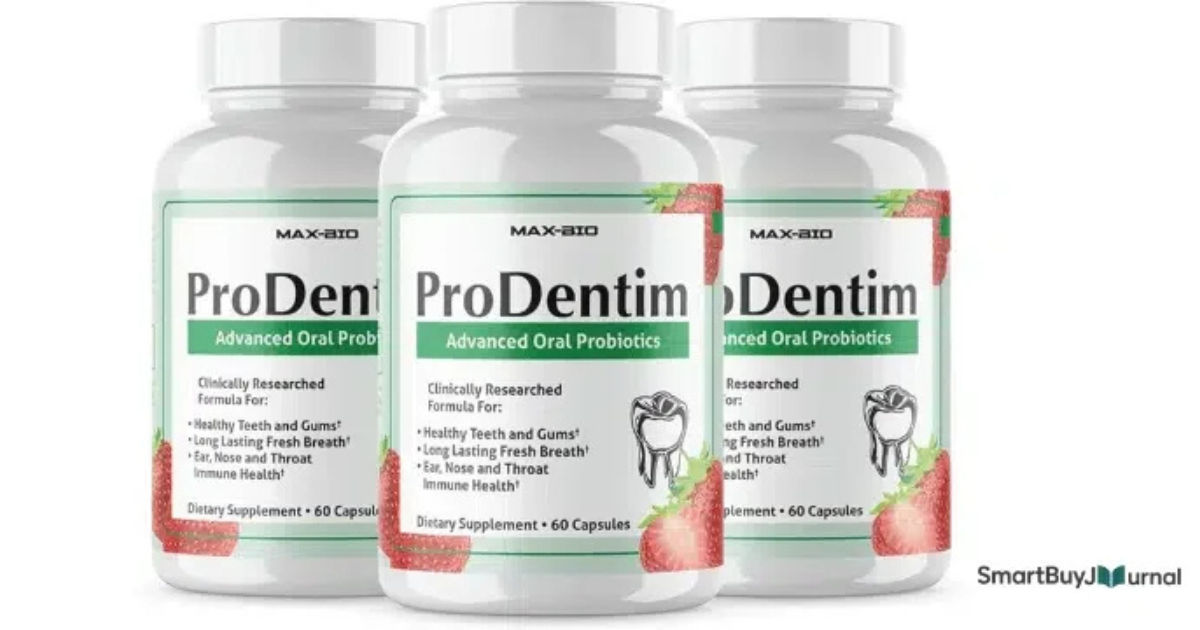
While brushing, flossing, and regular dental visits are essential, emerging research highlights the role of oral probiotic for gums in promoting oral health.
These beneficial bacteria can transform your oral care routine, targeting issues like bad breath, gum inflammation, and plaque formation.
Understanding how oral probiotics work and how to integrate them into daily care can provide a natural and effective solution for maintaining a healthy mouth.
What Are Oral Probiotics?
Probiotics are live microorganisms, often referred to as "good bacteria," that offer health benefits when consumed in adequate amounts. While most people associate probiotics with gut health, they also play a crucial role in the oral cavity. Oral probiotic for gums specifically targets the mouth, supporting the balance of bacterial populations on teeth, gums, and the tongue.
The human mouth is home to hundreds of bacterial species, some beneficial and some harmful. When the balance shifts toward harmful bacteria, oral problems like gingivitis, cavities, and bad breath can develop. Oral probiotics work by introducing beneficial strains to restore balance, strengthen the immune response in the gums, and reduce harmful bacterial growth.
How Oral Probiotics Improve Gum Health
Gum disease, or periodontal disease, starts when plaque accumulates around the teeth and gums. This accumulation leads to inflammation, bleeding, and, if untreated, can progress to tooth loss. Oral probiotic for gums helps in several ways:
-
Reducing Harmful Bacteria: Probiotics compete with pathogenic bacteria for space and nutrients. By occupying these niches, they limit the growth of bacteria that cause gingivitis and periodontitis.
-
Balancing Oral Microbiome: A balanced oral microbiome strengthens gum tissue and supports natural defense mechanisms, reducing inflammation and sensitivity.
-
Enhancing Immune Response: Certain probiotic strains stimulate local immune cells, enhancing the mouth's ability to fight infection.
Research has shown that strains like Lactobacillus reuteri and Streptococcus salivarius are particularly effective in reducing gum inflammation and promoting healthier oral tissue.
How Oral Probiotics Protect Teeth
Cavities, or dental caries, occur when harmful bacteria metabolize sugars from food, producing acids that erode tooth enamel. Regular oral hygiene can help prevent cavities, but oral probiotic for gums can provide an additional layer of protection:
-
Neutralizing Acids: Some probiotic strains produce alkaline compounds that neutralize acids in the mouth, reducing enamel erosion.
-
Competing with Cavity-Causing Bacteria: Probiotics reduce the population of Streptococcus mutans, the primary bacteria responsible for cavities, by outcompeting them for resources.
-
Strengthening Enamel: Some studies suggest that probiotics can enhance remineralization by increasing saliva flow, which naturally contains minerals like calcium and phosphate to repair minor enamel damage.
Types of Oral Probiotics
Different probiotic strains have specific functions in oral care. Understanding the common types can help you choose the best product for your needs.
Lactobacillus Strains
-
Lactobacillus reuteri: Known for reducing gum inflammation and controlling harmful bacteria growth.
-
Lactobacillus brevis: Helps neutralize acids and improve saliva quality, protecting teeth from cavities.
Streptococcus Strains
-
Streptococcus salivarius K12: Targets bad breath and supports gum health by maintaining microbial balance.
-
Streptococcus oralis: Competes with pathogenic bacteria and strengthens oral immunity.
Bifidobacterium Strains
While less common in oral products, certain Bifidobacterium strains help maintain the overall oral microbiome and support digestive health, which indirectly benefits oral health.
Benefits of Oral Probiotics
Using oral probiotic for gums offers multiple benefits beyond standard oral hygiene. These include:
-
Reduced Gingivitis and Periodontitis: By decreasing harmful bacteria and inflammation, probiotics can slow or reverse gum disease progression.
-
Fresher Breath: Probiotics reduce volatile sulfur compounds that cause bad breath.
-
Lower Risk of Cavities: Competing with cavity-causing bacteria helps protect tooth enamel.
-
Enhanced Overall Oral Microbiome: A balanced microbiome supports stronger gums, healthier teeth, and improved immune defense in the mouth.
How to Use Oral Probiotics
Oral probiotics are available in various forms, including lozenges, tablets, powders, mouth rinses, and even specialized chewing gums. To maximize benefits:
-
Consistency Matters: Daily use is recommended, as probiotics need regular intake to maintain bacterial balance.
-
Timing is Important: Taking probiotics after brushing can allow the beneficial bacteria to adhere to teeth and gums more effectively.
-
Combine with Good Hygiene: While probiotics are powerful, they work best alongside brushing, flossing, and professional dental care.
Oral Probiotics vs. Regular Probiotics
Many people take gut-focused probiotics without realizing that not all probiotics benefit oral health. Oral probiotic for gums is specifically formulated to survive and thrive in the mouth, which has different conditions than the gut, including lower pH and the presence of saliva enzymes.
Regular probiotics may provide some oral benefits if they survive the oral cavity, but oral-specific strains are more effective in targeting gum inflammation, plaque formation, and bad breath.
Scientific Evidence Supporting Oral Probiotics
Several studies have confirmed the efficacy of oral probiotics for gum and teeth care:
-
A 2020 study published in the Journal of Clinical Periodontology showed that participants using Lactobacillus reuteri lozenges experienced significant reduction in gingival inflammation compared to a placebo group.
-
Research on Streptococcus salivarius K12 found that it reduced bad breath by decreasing sulfur-producing bacteria in the mouth.
-
Clinical trials indicate that probiotics can reduce Streptococcus mutans levels, lowering the risk of cavities in children and adults.
While more research is needed to fully understand long-term effects, current evidence supports the use of oral probiotics as a complementary approach to oral care.
Choosing the Right Oral Probiotic
When selecting an oral probiotic product, consider the following:
-
Strain Specificity: Look for products containing strains proven to support gum and teeth health, such as L. reuteri or S. salivarius K12.
-
Viable Bacteria Count: Effective probiotics should contain enough live bacteria to colonize the mouth.
-
Form of Delivery: Lozenges and gums allow direct contact with teeth and gums, while capsules may be more suitable for gut health.
-
Safety and Certification: Choose products tested for safety and approved by relevant health authorities.
Potential Side Effects
Oral probiotics are generally safe for most people. Mild side effects may include temporary gas, mild digestive upset, or a slight change in taste. Individuals with compromised immune systems should consult a dentist or doctor before use.
Integrating Oral Probiotics Into Daily Routine
Incorporating oral probiotic for gums into your daily routine is simple:
-
Brush and floss teeth as usual.
-
Use an oral probiotic lozenge or chewable tablet after meals.
-
Maintain regular dental check-ups.
-
Limit sugary foods and beverages to support bacterial balance.
-
Stay hydrated to ensure saliva can naturally support probiotic activity.
By creating a consistent routine, you can maximize the benefits of oral probiotics while reinforcing standard dental care habits.
Oral Probiotics for Children
Children can also benefit from oral probiotics, especially for preventing cavities and managing gum health. Pediatric formulations are often chewable, flavored, and safe for daily use. Early introduction of probiotics may help establish a healthy oral microbiome that supports long-term oral health.
Addressing Common Concerns
Some people wonder if oral probiotics can replace brushing and flossing. While probiotics are beneficial, they are not a substitute for mechanical cleaning. Brushing and flossing physically remove plaque and debris, while probiotics enhance the mouth’s natural defense against harmful bacteria.
Another concern is whether probiotics are permanent. The effects are temporary if probiotic use stops, as harmful bacteria may repopulate. Consistency is key to maintaining oral health benefits.
Future of Oral Probiotics
The oral care industry is rapidly evolving, with ongoing research into probiotics tailored for specific dental issues. Future developments may include probiotics designed to:
-
Target specific pathogens like Porphyromonas gingivalis, a major contributor to periodontal disease.
-
Enhance remineralization of tooth enamel.
-
Improve systemic health by influencing the oral-gut connection.
Advancements in oral probiotic formulations could revolutionize preventive dentistry and offer natural alternatives to traditional treatments.
Complementary Practices for Oral Health
While oral probiotics are powerful, combining them with other habits enhances results:
-
Maintain Oral Hygiene: Brush twice daily with fluoride toothpaste and floss regularly.
-
Healthy Diet: Reduce sugar and eat fiber-rich foods to support beneficial bacteria.
-
Regular Dental Visits: Professional cleaning and monitoring detect early signs of gum disease or cavities.
-
Hydration: Adequate water intake helps maintain saliva flow, which supports probiotics and washes away harmful bacteria.
Conclusion
Oral probiotics are an exciting development in oral care, offering a natural way to improve gum and teeth health. By restoring the balance of the oral microbiome, reducing harmful bacteria, and enhancing the immune response in the gums, oral probiotic for gums can help prevent cavities, fight bad breath, and support overall oral wellness. While they should not replace traditional oral hygiene practices, incorporating probiotics into your routine can provide a powerful complementary approach.
With consistent use, careful selection of probiotic strains, and adherence to a healthy dental routine, oral probiotics can play a vital role in maintaining a strong, healthy smile. As research continues, these beneficial bacteria may become a cornerstone of preventive dentistry, transforming how we approach oral health naturally and effectively.