
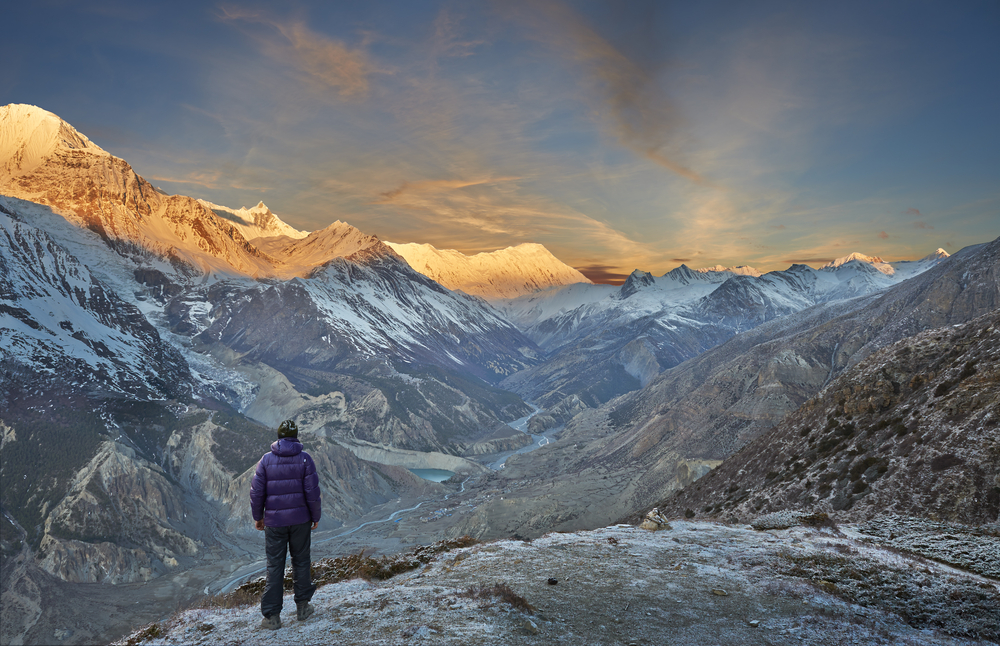
Having the perfect bag for an Trek to Annapurna Base Camp can mean the difference between comfort, ease , and good times or otherwise. As you’ll spend long days on the trail, hike through all sorts of weather, and gain altitude, anything you take with you needs to serve a purpose without being a hog on space and weight. Knowing how and what to pack can help ensure a safe and enjoyable journey, plus carrying too much weight will simply suck energy from your thighs and butt just when you need it most — on a steep ascent.
Begin with a good backpack, something around 40 to 50 liters will be good. It should include a comfortable, adjustable harness system and padded hip belts for distributing weight. How well your backpack fits is as important as what you carry in it. Before setting out on your trek, fill the bag and carry it around a bit to see whether you find it comfortable. Packing-wise, focus on layering your clothes. The Annapurna Base Camp trek has a very drastic climate change—you get hot in the lower valleys but really cold temperatures at the mountain passes. The formula for success includes base layers that wick moisture, insulating mid-layers like fleece or down jacket, and waterproof outer shells. Stay away from bulky cotton items that don’t dry quickly. (nah, I don’t even know what that looks like.) Rather, I look for quick-drying, breathable insulating layers that trap air to keep you warm without the bulk.
Your boots should be well-worn-in, rugged trekkers with good ankle support. Take an extra pair of light shoes or sandals for evenings at the teahouses. So are socks — bring moisture-wicking trekking socks and liners to stave off blisters.
When packing, be sure to bring packable essentials – like a sleeping bag with a cold rating, a reusable water bottle or hydration bladder, and a headlamp with spare batteries. Make sure to bring UV protection sunglasses and sun cream due to the overpowering sun in the Himalayas.
Don’t go overboard with toiletries, and put them in travel-sized containers to minimize packing. Avoid using non-biodegradable soaps and toothpaste as per the “Leave no Trace” rules of trekking. A small first-aid kit with blister care, pain relievers, and altitude sickness medication is essential.
How you pack and organize your gear inside the backpack is almost as important as the pack itself. Segment clothes, electronics, and food with packing cubes or stuff sacks. Keep commonly used items such as your rain jacket, food, or map near the top or in outside pockets.
Don’t forget, every extra kilo counts. Porters can be hired to carry heavy loads along the route, although whether or not to hire one is something that depends on your budget and preference. Even with a porter in your employ, carrying light enhances your freedom of movement and comfort.
Lastly, adjust your list to the season and the weather forecast. When it’s winter, and the temperatures drop, the gear tends to be heavier as compared to spring or autumn trekking. Double-check your gear and toss anything you don’t need.
Packing light for Annapurna Base Camp Trek not only minimizes the effort but also keeps you ready for different conditions. You want to experience it, you want to take as many pictures as possible, but you don’t want to be lugging around extra kilos for nothing.
What is the Best Size of Backpack for the Annapurna Base Camp Trek?
Selecting the Proper Backpack Size. Having the right backpack size is essential for your comfort and convenience during your Annapurna Base Camp journey. The majority of trekkers agree that a backpack of around 40-50 liters has sufficient space for the essentials and isn’t too heavy or bulky. It’s big enough for layers, gear, and extras, but manageable on rough trails and long uphills.
Backpacks that exceed 50L capacity tend to lure the trekkers packing more and more, which eventually increases the weight and strain. Anything less than 40 liters, on the other hand, may require you to leave behind key items or squeeze too tightly to fit everything.
But there’s another factor to consider, and that is comfort. Search for backpacks with padded, adjustable shoulder straps and hip belts. Hip belts also add more control with weight distribution, leading to less fatigue on long days because the weight isn’t all on your shoulders.
If you’re planning to hire a porter, you can carry a 20-liter daypack with water, snacks, a jacket, that kind of thing, and then have a completely separate bag for the rest. Always try fitting the weight on the backpack before the trek so you have an idea if it’s right for your body.
And a great fit for your trip distance (not your height) makes those miles even more comfortable in every sense of the word.
What kind of clothing should I wear for a lightweight trek?
The right clothing is key when you’re preparing to pack for the Annapurna Base Camp trek – and it’s all about layering and lightweight fabrics. As the weather can go from balmy valley days to freezing mountain nights, every layer has a purpose.
Begin with moisture-wicking base layers that pull sweat away from your skin to ensure you stay dry and comfortable. Steer clear of cotton, which absorbs moisture, leading to chafing and chill at higher elevations. Protection with mid-layers, such as fleece or insulated jackets, can be put on or taken off as the temperature changes.
They need to have an outer shell that is both waterproof and breathable to keep you dry and warm from rain, wind, and snow while keeping it light and easy to move around in. Opt for gear that’s constructed from materials such as Gore-Tex or other similar fabrics that provide a happy medium between protection and ventilation.
ABC Trek I suggest lightweight trekking pants that are quick drying and tear-proof for pants. Pack thermal tights for the colder nights or mornings.
Don’t forget the accessories: a warm hat, gloves, and a buff, or neck gaiter. These little things take up no space, but they make a world of difference.
Intelligent choices in clothing — mostly comprising layering and lightweight fabrics — keep you warm, dry, and supple, and your pack light.
Annapurna Base Camp Packing List – What Is Must for Your Bag?
If you want to go to Annapurna Base Camp trek, pack for a minimum, you will need out there what will keep you safe, comfortable, and andhassle-freee with minimum weight to carry. A warm sleeping bag is essential, cold nights (even when spending nights in trekking lodges).
Clean water treatment (water purification tablets or filters) prevents illness and decreases the need for bottled water. A good headtorch with some extra batteries will be essential if you want to get the most out of the early morning and late evenings.
What sort of shoes should I bring? Inquire about your question. Shoes: Lightweight hiking boots, already broken in, for stability and support.t Tevas or similar kinds of sport sandals or lightweight shoes for wear in teahouses. Pack plenty of moisture-wicking socks to avoid blisters.
Toiletry items, like biodegradable soap and fast-drying towels, keep one feeling fresh on the trail, without the weight. A small first-aid kit that includes blister treatment, pain relief, and altitude sickness medication will protect you from the usual trekker mishaps.
Don’t forget sun protection: sunglasses with ultraviolet protection, sunscreen, and lip balm are indispensable against the intense Himalayan sun.
With all of these hiking essentials in your pack, you’ll be ready for anything the trek throws your way and remain lightweight and efficient.
How Can I Pack Well Without Forgetting Anything Essential?
Packing for Annapurna Base Camp Hike is all about smart organization and prioritizing. Start by spreading out all the gear you want to take, and determine what you need for the season and duration.
Use packing cubes or stuff sacks to organize similar items — clothing in one cube, toiletries in another, electronics on their own. This conserves space and also provides easy access to find items without having to unpack everything.
Interfold and roll clothing as tightly as possible to minimize the volume and the degree of wrinkling. Store your heaviest items, such as shoes and a cooking kit, as close to your spine at the bottom of your pack for better balance.
Keep things you’ll need often, like your rain layer, water bottles, snacks, and map, in outer … 8 Go Acces.s Often items wou’ll use and have access to regularly like rain gear, snacks, water, maps, packed in the outer … pockets or the top … compartment.
Check your list twice and remove the duds or long shots. In the high mountains, a few ounces can make all the difference.
By packing smart, you’ll avoid stress and still have everything you need without any additional weight burdening you on your Annapurna trek.
Should I Hire a Porter or Carry My Bag Myself?
Hiring a porter on an Annapurna Base Camp Trekking is a great way to increase your enjoyment of the trek. Porters lug the heavy stuff, so you can trek with just a light daypack. It prevents tiredness, minimizes the chances of injury, and enables you to savor your surroundings and travel without strain.
You can usually find porters who can be hired for a standard daily rate and who know the terrain and customs. If you choose to camp, they can be relied on to pack extra gear, such as sleeping bags and tents (which you’re typically going to have to do without), so you’ll be even further lightened.
Yet, when you tote your bag, it gives you independence and flexibility. If you go solo, it’s crucial to pack light — the added weight will slow you down and take a toll on your body.
Some trekkers take a hybrid approach – they carry their essentials and employ porters to carry the heavier loads.
In the end, it is up to your fitness, purse, and trekking ambition. Either way, how light and how smart you pack is key for a successful Annapurna Base Camp adventure.
What Are the Best Packing Tips to Avoid Overpacking?
Overpacking is an easy mistake that will burden your walk on the trail of Annapurna Base Camp and lower the enjoyment level. The trick is to only bring what you need to thrive and favor versatile gear. You can start by putting together a list and then go through it meticulously with a critical eye — discard any items that are duplicated or that count as “luxury” and are therefore optional.
Where possible, bring fewer heavy, smaller items of equipment. For example, opt for quick-drying garments that can double as an evening top, such as a shirt. Only two pairs of shoes should be taken, one pair being stout and the other light.
Leave your travel-sized toiletries and bring small amounts. Use smaller bottles to minimize the size and bulk of packaging.
As you add, watch that the weight doesn’t add up to more than 8 to 12 kilograms (17 to 26 pounds) if you’re carrying your bag.
And remember, you can always purchase small must-haves in trekking towns so you don’t have to haul everything from home.
The lighter you go, the more capacity you get; this is the ideal balance of volume and weight.
How to Select Annapurna Base Camp Hiking Shoes?
Annapurna Trek The decision to choose the appropriate pair of shoes is key to the success of your Annapurna Base Camp trek. The ideal pair of boots gives solid ankle support, grips well , and is waterproof but breathable. Hiking shoes with strong soles that will provide a better grip can help limit the chances you’ll slip and will protect your feet from rough, rocky terrain.
Do, however, make sure you’ve worn your boots in before attempting the trek to avoid blisters! Don them on a handful of training hikes to break in the fabric, and they’ll shape to your foot.
Both use cases have many supporters among trekkers, but either way, many people bring along a pair of lightweight sandals or slip-ons to wear around lodges and give their feet a break after long hiking days.
Good socks matter just as much — opt for moisture-wicking, cushioned socks that’ll help prevent blisters. Others like to wear liner socks underneath for added safeguard.
The right choice of footwear and taking care of your feet along the way will alleviate the pain, increase stability, and when you finally get to take in one of those awesome vistas, you won’t just be in discomfort for the whole experience!
What Tech Gear to Take (or to Leave at Home)?
He says when it comes to tech gear for Annapurna Base Camp, the less you bring, the better. A smartphone with offline maps and a decent camera is often all it takes to make memories and not get too lost.
Make sure to have a solid headlamp for predawn starts and nighttime use. Don’t forget some extra batteries or a power bank, as electricity can be intermittent in remote places.
Other Tips: If you carry other electronic devices (phones, tablets), help keep them by packing them in waterproof (and often padded) cases.
Several trekkers bring portable solar chargers, which can be a lifesaver on multiday treks when charging options are scarce.
Don’t bring unnecessary accessories to minimize weight and keep your bag light. Concentrate on the minimum necessary devices for safety, navigation, and communication.
Technical gear that keeps the journey from encumbering you with excess bulk or confusion.
How To Pack Food And Snacks for the Trek Effortlessly?
ABC Trekking Pack food wisely; good packing is a necessity for the Annapurna Base Camp trek to keep you energetic. Tips: Fascinating as you might find them, frumpy as you may look in them, it is not worth the trouble to try to buy one of these everyday tourist staples. “Eating” staple Nepali food is usually dal (lentil) bhat (boiled rice) with side dishes which contain rice, lentil soups, nd spicy meats (you will get different food items in different places). All Foods are fresh and quite tasty.
Opt for nonperishable, condensed food items like nuts, dried fruit, energy bars, and trail mix. They are very high in calories, and there’s no need to carry extra weight around with them.
Things such as snacks can be placed in snack-sized bags or small dishes.
It’s vital to stay hydrated, so bring a reusable water bottle — or better yet, a hydration bladder. It is suggested that you treat natural sources of drinking water (through the use of water purification tablets or filters) to avoid contracting any illness that could make your travel experience less enjoyable.
Do not prepare heavy or voluminous foods or anything that needs a lot of preparation.
Good snack packing will power your pace, prevent energy bonks, and keep your pack light and manageable.
How Do I Keep My Gear Safe from the Weather and Damage?
Keeping your gear covered Annapurna Base Camp trek helps to sustain your gear for the extent of the trek, and maintains it in shape. Waterproof dry bags or stuff sacks are great for packing clothes and electronics free of rain or snow.
Have in rain cover for your backpack to prevent being surprised by a sudden rain. Opt for bags with robust materials and sealed seams to guarantee water resistance.
If you fear something might break, put it in padded (or cushioned) bags within your pack to carry out some shock absorption.
Do not overpack your bag to avoid straining zippers and seams.
Consistently monitor your gear whilst on the trail for potential wear and tear. Minor repairs, such as patching a torn strap, can spare you from larger troubles down the line.
Weather in the Himalayas can be unpredictable; protecting your gear can be the difference between a successful trek and disaster; conquer the elements and the trail, not your gear.
What to take on the Annapurna Base Camp trek?
What to pack for Annapurna Sanctuary Trek has to involve a little give and take on essentials and lightweight gear. “Key products include layered clothing such as moisture-wicking base layers, insulating mid-layers, and outerwater shells.” The most important thing for a trek participant’s feet? A good pair of well-worn hiking boots with moisture-wicking socks. Be sure not to miss a high-quality sleeping bag good for low temperatures, as nights are exceptionally cold. Essential items are a 40–50-liter backpack, a headlamp, water purification tablets or a filter, a pair of sunglasses with UV protection, sunscreen, and a first-aid kit. Snacks, such as nuts and energy bars, are good for providing energy on long hiking days. Pack travel-size toiletries, a reusable water bottle, and walking sticks for those who prefer to use them. Having a lightweight and efficient pack makes all the difference in mobility and comfort on the trail.
How are you supposed to pack a hiking bag?
Packing a trek bag well involves righting your kit so that it is easily accessible but also showing good balance, and the weight is evenly spread. Begin by putting your heaviest stuff, including boots and the cooking gear, near your spine and as high up your hips as possible to distribute the weight well. It helps to have packing cubes or stuff sacks to help separate clothing, electronics , and toiletries. Tightly roll clothing to minimize space and wrinkles. Store easily accessed necessities, like a rain jacket, snacks, and a water bottle, in outer pockets or the top compartment of your bag, where you can grab them almost immediately. Keep electronics and fragile belongings in water-resistant or cushioned containers. Do an honest assessment of your gear list to prevent overpacking. Well-packed can bring more convenience to your journey and save space in your bag.
What to pack for Basecamp?
It can be quite chilly, especially during the night on Annapurna Base Camp, so make sure you bring warm layers with you. Carry insulated jackets, long johns, gloves, a warm hat, and a good sleeping bag. You’ll need good hiking boots, but you might also want a pair of lightweight shoes or sandals for relaxing around camp. Add a headlamp with extra batteries for night, personal hygiene products in small bottles, and just the basics for a first-aid kit. Bring ample food or snacks if you want to bring your own supply, although there are tea houses that serve meals. And don’t forget water purification instruments and sun protection equipment. Check in comfortably at base camp by keeping your pack smart and lightweight.
Is a sleeping bag necessary in Annapurna Base Camp?
Yes, you need a sleeping bag on the Annapurna Base Camp trek. Temperatures can fall as low as below freezing at basecamp and higher elevations, especially in the evening. Teahouses most often will supply woolen-type blankets, but they are never going to leave you warm. The ideal sleeping bag would be 14°F to 5°F (-10°C to -15°C) to make sure you’re safe and warm. Down-filled, lightweight, or synthetic insulated sleeping bags strike that balance of warmth and compressibility. Spending that little bit more on a decent sleeping bag is going to improve your rest and recovery, which you’ll need to be able to stay on top of the altitude and the physical challenges of the trek.