
When choosing an electric bike, one of the most important decisions is selecting between models with Torque Sensors or cadence sensors. These technologies fundamentally change how your pedaling translates to motor assistance, affecting everything from battery life to riding feel. Understanding these differences helps riders select the perfect ebike for their needs and preferences.
Cadence sensors use a simple magnetic system to detect when the pedals are moving. A disc with magnets rotates with the cranks, and a stationary sensor counts these passing magnets. This system only knows if you're pedaling, not how hard you're pedaling, resulting in consistent power output at each assist level.
• Activates after partial pedal rotation
• Power level determined by assist setting (1-5)
• Allows "ghost pedaling" with minimal effort
• Often paired with throttle for instant power
• More affordable implementation
• Slight delay when starting from stop
• Consistent power at each assist level
• Less natural, more artificial feel
• Easier for beginners to use
• Good for riders who want assistance without effort
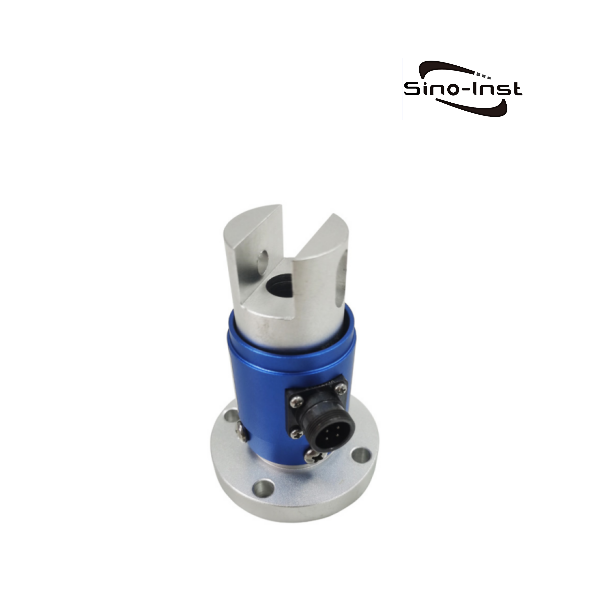
Torque sensors measure the actual force you apply to the pedals using sophisticated strain gauge technology. These Torque Sensors detect minute deformations in the bottom bracket area, providing proportional motor assistance that matches your pedaling effort for a natural cycling experience.
• Responds instantly to pedal pressure
• Power scales with your pedaling effort
• No "ghost pedaling" possible
• More efficient battery usage
• Premium feature on higher-end ebikes
• Immediate power when starting
• Feels like natural pedal amplification
• Encourages more active pedaling
• Better for fitness-focused riding
• Provides "bionic" superpowered feeling
Performance Insight: The Eleglide Citycrosser demonstrates torque sensor benefits perfectly – its 200% power amplification at level 5 assist provides an exhilarating yet natural riding experience while maintaining excellent 75km range from its 10Ah battery.
| Factor | Cadence Sensor | Torque Sensor |
|---|---|---|
| Response Time | Delayed (needs rotation) | Instant (pressure activated) |
| Power Control | Fixed by assist level | Proportional to effort |
| Energy Efficiency | Standard | 15-25% more efficient |
| Battery Range | Standard | Extended |
| Riding Feel | Artificial assistance | Natural amplification |
| Price Point | More affordable | Premium |
• Casual riders wanting effortless assistance
• Those prioritizing affordability
• Riders who want throttle option
• Situations requiring consistent power
• When carrying heavy loads uphill
• Performance-oriented cyclists
• Riders wanting natural bike feel
• Those focused on maximum range
• Fitness-focused electric biking
• Technical terrain navigation
Expert Tip: As noted by ebike reviewers, torque sensors encourage more active pedaling, making them ideal for riders who want exercise benefits while still enjoying electric assistance. The immediate response and proportional power delivery create a uniquely satisfying riding experience.
Sino-Inst specializes in precision measurement technologies including the torque sensors that enable advanced ebike pedal assist systems. Their expertise in strain gauge applications and force measurement contributes to the development of more efficient and responsive electric bicycle components.